

Responsabilidade Social
Responsabilidade Social da SOAPRO
Na SOAPRO, a responsabilidade social não é um projecto paralelo: é parte da nossa identidade e da forma como entendemos o papel da engenharia, da arquitectura e do ambiente no desenvolvimento de Angola.
Acreditamos que o conhecimento técnico só cumpre plenamente a sua missão quando gera impacto positivo nas comunidades, promove inclusão e contribui para reduzir desigualdades.
A Responsabilidade Social da SOAPRO assenta num compromisso contínuo com o desenvolvimento sustentável das comunidades onde actua, promovendo a inclusão social, o acesso à educação, a capacitação, a segurança alimentar e o bem-estar.
Neste âmbito, a organização desenvolve e implementa um conjunto de projectos estruturados, orientados para gerar impacto positivo e duradouro, com especial enfoque em grupos vulneráveis.
As iniciativas são concebidas para responder a necessidades reais das comunidades, contribuindo para a criação de oportunidades, o fortalecimento de competências e a melhoria da qualidade de vida.
Dimuka
Sensibilizar e orientar a vocação de crianças e jovens para o mercado de trabalho

O projecto Dimuka é uma iniciativa de sensibilização e orientação vocacional, que visa aproximar crianças, adolescentes e jovens da realidade do mercado de trabalho.
Através de visitas guiadas a projectos emblemáticos desenvolvidos pela SOAPRO, os participantes têm a oportunidade de conhecer, de forma prática, diferentes áreas de actuação, com destaque para os sectores da arquitectura, engenharia, ambiente, recursos hídricos, energia, infra-estruturas e indústria.
Esta experiência permite ampliar o conhecimento sobre as diversas profissões, estimulando o interesse pelos estudos e apoiando os jovens na construção de uma visão mais clara e informada sobre o seu futuro académico e profissional.
-
Missão: Aproximar crianças e jovens do mundo profissional, promovendo o conhecimento sobre diferentes áreas e oportunidades de carreira.
-
Visão: Inspirar jovens a fazer escolhas conscientes e informadas sobre o seu futuro académico e profissional.
-
Valores: Conhecimento, Orientação, Inspiração, Inclusão e Desenvolvimento Pessoal.
-
ODS Associados:
ODS 4 – Educação de Qualidade → Aprendizagem prática e orientação vocacional
ODS 8 – Trabalho Digno e Crescimento Económico → Preparação dos jovens para o mercado de trabalho
ODS 10 – Redução das Desigualdades → Acesso a informação sobre carreiras para jovens de diferentes contextos
Cantinho do Saber
Criação e melhorias das bibliotecas escolares

O projecto Cantinho do Saber tem como objectivo apoiar escolas públicas através da criação e melhoria de bibliotecas escolares, promovendo o acesso ao livro e o incentivo à leitura.
A intervenção inicia-se com a identificação de escolas com carência de espaços adequados para leitura. Posteriormente, são requalificadas salas existentes, transformando-as em bibliotecas funcionais, organizadas e acolhedoras, ajustadas à realidade de cada instituição.
Os espaços são equipados com livros e materiais didácticos, provenientes de doações e aquisições, assegurando recursos essenciais para apoiar o processo de ensino e aprendizagem.
Com este projecto, pretende-se incentivar o hábito de leitura, melhorar o desempenho escolar e proporcionar melhores condições de aprendizagem às crianças e jovens do ensino público, contribuindo simultaneamente para o desenvolvimento inclusivo e para a formação de futuras gerações mais informadas e capacitadas.
-
Missão: Promover o acesso à leitura e ao conhecimento, através da criação e melhoria de bibliotecas em escolas públicas.
-
Visão: Contribuir para uma geração mais informada, crítica e preparada, através do acesso equitativo à educação.
-
Valores: Educação, Inclusão, Igualdade de Oportunidades, Partilha de Conhecimento e Sustentabilidade.
-
ODS Associados:
ODS 4 – Educação de Qualidade → Promoção da leitura e melhoria das condições de aprendizagem
ODS 10 – Redução das Desigualdades → Acesso equitativo a recursos educativos em escolas públicas
ODS 17 – Parcerias para a Implementação dos Objectivos → Mobilização de doações e apoios para equipar bibliotecas
Unifica
O projecto Unifica tem como objectivo preparar estudantes universitários para os desafios do mercado de trabalho, promovendo o desenvolvimento de competências técnicas e comportamentais essenciais para a sua integração profissional.

Através de formações teóricas e práticas, ministradas por profissionais experientes das diversas áreas de actuação da SOAPRO, os participantes têm acesso a conhecimentos aplicados e a experiências reais do sector.
O projecto contribui para a redução da distância entre a formação académica e as exigências do mercado, capacitando os jovens para uma transição mais segura, consciente e competitiva para o mundo profissional.
-
Missão: Capacitar estudantes universitários com competências técnicas e comportamentais, facilitando a sua integração no mercado de trabalho.
-
Visão: Ser uma referência na preparação de jovens talentos, reduzindo a distância entre a formação académica e as exigências profissionais.
-
Valores: Excelência, Profissionalismo, Inovação, Partilha de Conhecimento e Compromisso.
-
ODS Associados:
ODS 4 – Educação de Qualidade → Formação técnica e desenvolvimento de competências
ODS 8 – Trabalho Digno e Crescimento Económico → Empregabilidade e integração no mercado de trabalho
Projecto Libelinha
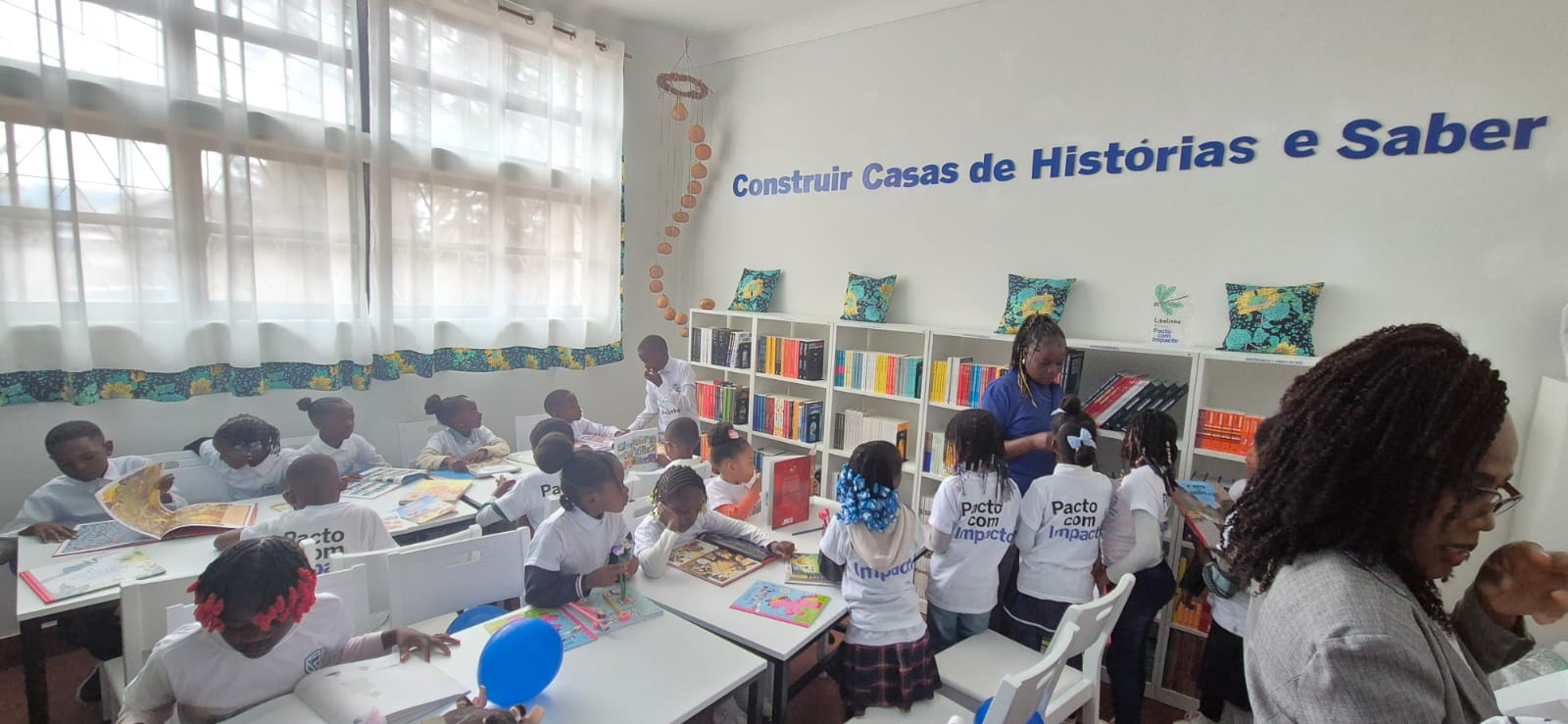
O projecto Libelinha resulta de uma parceria entre o Standard Bank Angola, a SOAPRO e a Livraria Kiela, assente numa visão de sustentabilidade, inclusão e desenvolvimento social.

A iniciativa tem como principal objectivo apoiar o acesso à educação de qualidade em Angola, através da melhoria de infra-estruturas educativas e da promoção de ambientes de aprendizagem mais inclusivos e equitativos.
O projecto actua em três eixos principais:
- Reabilitação de bibliotecas escolares em escolas públicas, criando espaços adequados para leitura e estudo;
- Capacitação de profissionais do sector da educação, garantindo melhores condições de gestão e dinamização das bibliotecas;
-Promoção da literacia, através da implementação de programas educativos, eventos e disponibilização de acervos bibliográficos adequados.
Com uma abordagem integrada e sustentável, o Libelinha contribui para o fortalecimento do sistema educativo e para a criação de oportunidades de aprendizagem mais acessíveis e inclusivas.
-
Missão:
Promover o acesso à educação de qualidade, através da melhoria de infra-estruturas e do reforço da literacia em comunidades vulneráveis. -
Visão:
Ser um projecto de referência na transformação do acesso à educação em Angola, de forma inclusiva e sustentável. -
Valores:
Educação, Inclusão, Parceria, Sustentabilidade e Impacto Social. -
ODS Associados:
ODS 4 – Educação de Qualidade → Acesso a bibliotecas e promoção da literacia
ODS 9 – Indústria, Inovação e Infra-estruturas → Reabilitação de infra- estruturas educativas
ODS 10 – Redução das Desigualdades → Acesso inclusivo à educação
ODS 17 – Parcerias para a Implementação dos Objectivos → Cooperação entre instituições (Standard Bank, SOAPRO e parceiros)
Agri.Cultura Social
O projecto Agri-Cultura Social promove o desenvolvimento agrícola sustentável no Bairro do Paço, em Cacuaco, apoiando agricultores e camponeses locais através de uma abordagem baseada na inclusão, na capacitação e na segurança alimentar.

A iniciativa assenta na disponibilização de 8 hectares de terreno, por um período de cinco anos, distribuídos entre agricultores e camponeses da comunidade. Para além do acesso à terra, os participantes beneficiam de formação técnica e acompanhamento contínuo, garantindo práticas agrícolas mais eficientes, sustentáveis e geradoras de rendimento.
Este modelo integra produção agrícola e impacto social, promovendo a autonomia económica das famílias e incentivando a partilha de recursos. Como parte do seu compromisso solidário, 10% da produção é destinada a instituições de solidariedade social, com entregas regulares a entidades como o Lar da Nazaré e o Lar dos Idosos.
O projecto já beneficia directamente mais de 50 famílias da comunidade, bem como centenas de utentes de instituições apoiadas, contribuindo para o combate à fome e a melhoria das condições de vida.
A componente de inclusão é um dos pilares do projecto, destacando-se a participação maioritária de mulheres, incluindo camponesas idosas e pessoas com deficiência. Entre os participantes, evidencia-se também a liderança de um agricultor coordenador com deficiência visual, reforçando o compromisso com a igualdade de oportunidades.
-
Missão Impulsionar a agricultura sustentável, fortalecer as comunidades e contribuir para a redução da fome, através do apoio a iniciativas de cariz social.
-
Visão Ser uma referência nacional em responsabilidade social, inspirando práticas de agro-solidariedade em Angola.
-
Valores Sustentabilidade, Inclusão, Partilha, Solidariedade e Transparência.
-
ODS Associados:
ODS 1 – Erradicação da Pobreza → Geração de rendimento para famílias ODS 2 – Fome Zero e Agricultura Sustentável → Produção alimentar e doação a instituições ODS 5 – Igualdade de Género → Forte participação de mulheres no projecto ODS 8 – Trabalho Digno e Crescimento Económico → Actividade agrícola como fonte de sustento ODS 10 – Redução das Desigualdades → Inclusão de pessoas vulneráveis e com deficiência
Por uma
comunidade
melhor.